
401 lines
16 KiB
Plaintext
401 lines
16 KiB
Plaintext
---
|
|
title: Form Builder Plugin
|
|
label: Form Builder
|
|
order: 20
|
|
desc: Easily build and manage forms from the admin panel. Send dynamic, personalized emails and even accept and process payments.
|
|
keywords: plugins, plugin, form, forms, form builder
|
|
---
|
|
|
|
[](https://www.npmjs.com/package/@payloadcms/plugin-form-builder)
|
|
|
|
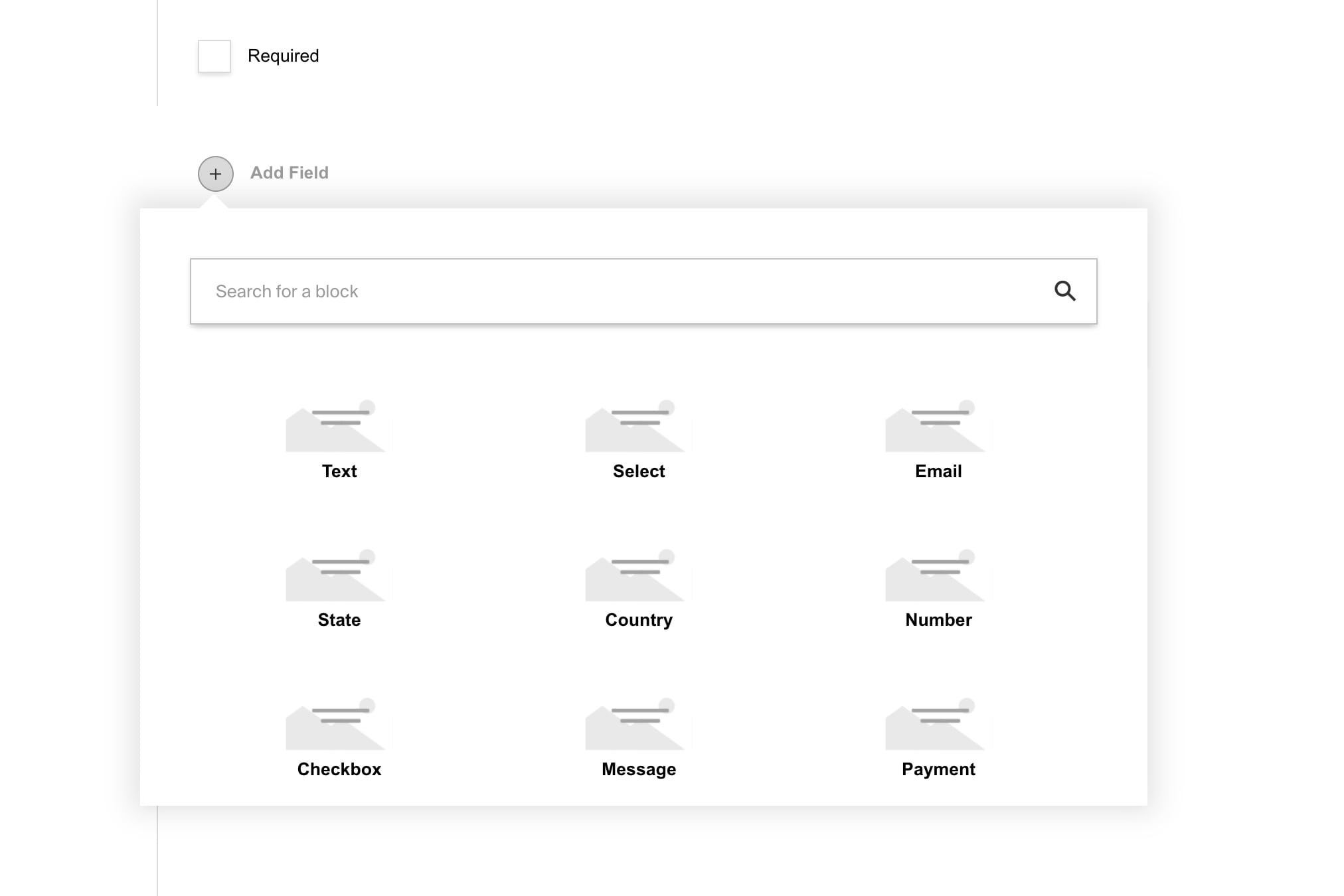
This plugin allows you to build and manage custom forms directly within the admin panel. Instead of hard-coding a new form into your website or application every time you need one, admins can simply define the schema for each form they need on-the-fly, and your front-end can map over this schema, render its own UI components, and match your brand's design system.
|
|
|
|
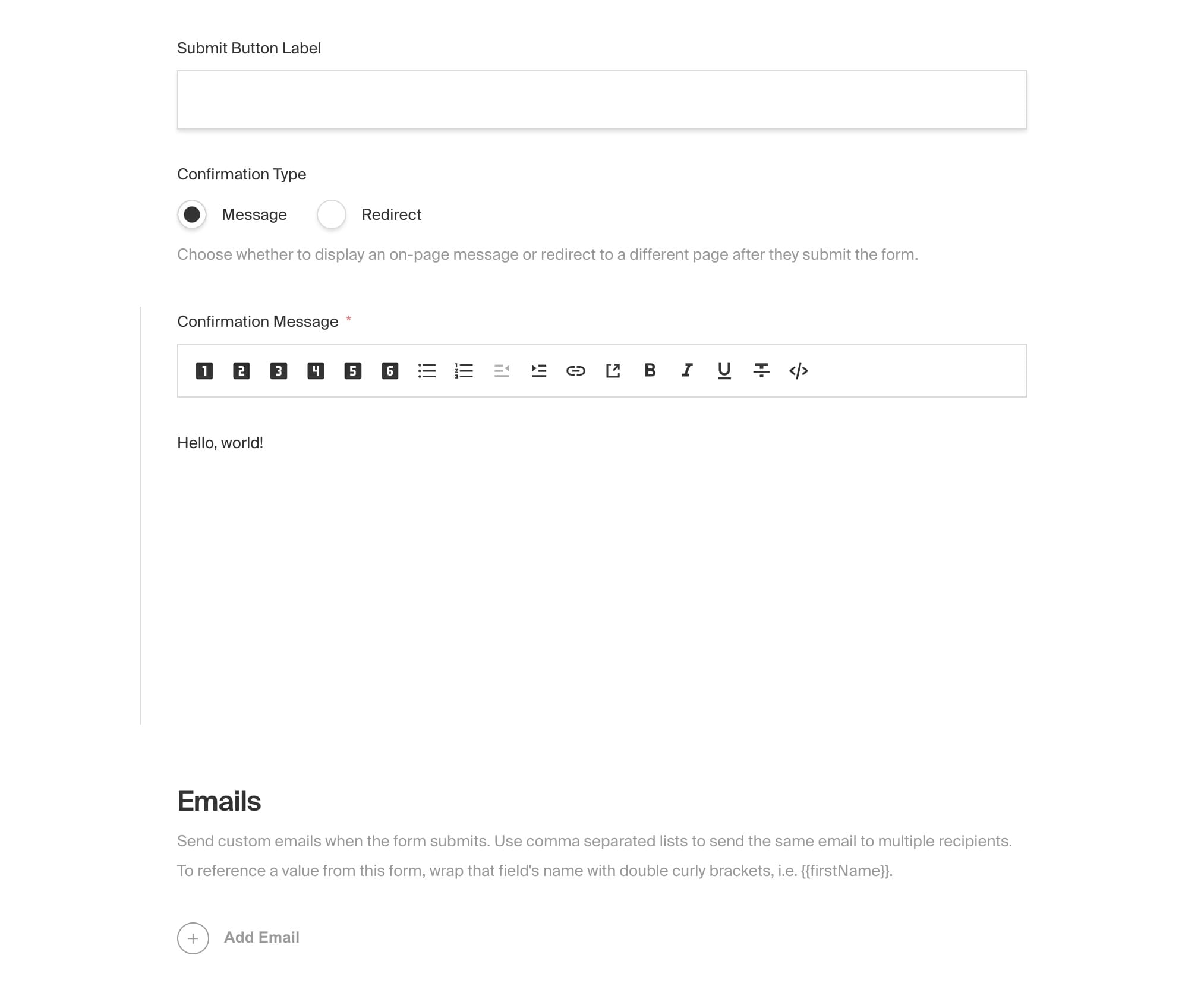
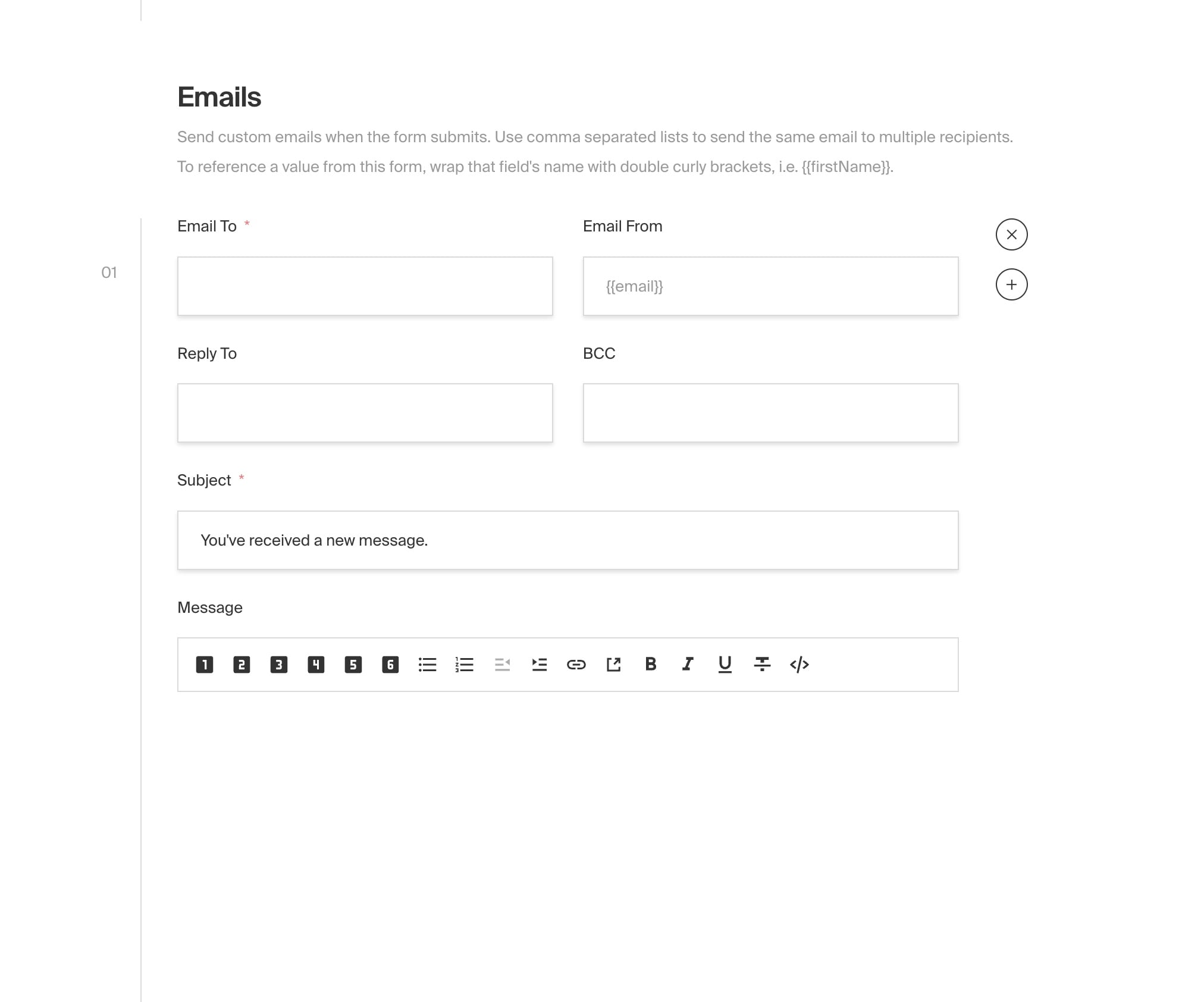
All form submissions are stored directly in your database and are managed directly from the admin panel. When forms are submitted, you can display a custom on-screen confirmation message to the user or redirect them to a dedicated confirmation page. You can even send dynamic, personalized emails derived from the form's data. For example, you may want to send a confirmation email to the user who submitted the form, and also send a notification email to your team.
|
|
|
|
Forms can be as simple or complex as you need, from a basic contact form, to a multi-step lead generation engine, or even a donation form that processes payment. You may not need to reach for third-party services like HubSpot or Mailchimp for this, but instead use your own first-party tooling, built directly into your own application.
|
|
|
|
<Banner type="info">
|
|
This plugin is completely open-source and the [source code can be found here](https://github.com/payloadcms/payload/tree/main/packages/plugin-form-builder). If you need help, check out our [Community Help](https://payloadcms.com/community-help). If you think you've found a bug, please [open a new issue](https://github.com/payloadcms/payload/issues/new?assignees=&labels=plugin%3A%20form-builder&template=bug_report.md&title=plugin-form-builder%3A) with as much detail as possible.
|
|
</Banner>
|
|
|
|
##### Core Features
|
|
|
|
- Build completely dynamic forms directly from the admin panel for a variety of use cases
|
|
- Render forms on your front-end using your own UI components and match your brand's design system
|
|
- Send dynamic, personalized emails upon form submission to multiple recipients, derived from the form's data
|
|
- Display a custom confirmation message or automatically redirect upon form submission
|
|
- Build dynamic prices based on form input to use for payment processing (optional)
|
|
|
|
## Installation
|
|
|
|
Install the plugin using any JavaScript package manager like [Yarn](https://yarnpkg.com), [NPM](https://npmjs.com), or [PNPM](https://pnpm.io):
|
|
|
|
```bash
|
|
yarn add @payloadcms/plugin-form-builder
|
|
```
|
|
|
|
## Basic Usage
|
|
|
|
In the `plugins` array of your [Payload config](https://payloadcms.com/docs/configuration/overview), call the plugin with [options](#options):
|
|
|
|
```ts
|
|
import { buildConfig } from 'payload/config'
|
|
import formBuilder from '@payloadcms/plugin-form-builder'
|
|
|
|
const config = buildConfig({
|
|
collections: [
|
|
{
|
|
slug: 'pages',
|
|
fields: [],
|
|
},
|
|
],
|
|
plugins: [
|
|
formBuilder({
|
|
// see below for a list of available options
|
|
})
|
|
],
|
|
})
|
|
|
|
export default config
|
|
```
|
|
|
|
### Options
|
|
|
|
#### `fields` (option)
|
|
|
|
The `fields` property is an object of field types to allow your admin editors to build forms with. To override default settings, pass either a boolean value or a partial [Payload Block](https://payloadcms.com/docs/fields/blocks#block-configs) _keyed to the block's slug_. See [Fields](#fields) for more details.
|
|
|
|
```ts
|
|
// payload.config.ts
|
|
formBuilder({
|
|
// ...
|
|
fields: {
|
|
text: true,
|
|
textarea: true,
|
|
select: true,
|
|
email: true,
|
|
state: true,
|
|
country: true,
|
|
checkbox: true,
|
|
number: true,
|
|
message: true,
|
|
payment: false
|
|
}
|
|
})
|
|
```
|
|
|
|
#### `redirectRelationships`
|
|
|
|
The `redirectRelationships` property is an array of collection slugs that, when enabled, are populated as options in the form's `redirect` field. This field is used to redirect the user to a dedicated confirmation page upon form submission (optional).
|
|
|
|
```ts
|
|
// payload.config.ts
|
|
formBuilder({
|
|
// ...
|
|
redirectRelationships: ['pages']
|
|
})
|
|
```
|
|
|
|
#### `beforeEmail`
|
|
|
|
The `beforeEmail` property is a [beforeChange](<[beforeChange](https://payloadcms.com/docs/hooks/globals#beforechange)>) hook that is called just after emails are prepared, but before they are sent. This is a great place to inject your own HTML template to add custom styles.
|
|
|
|
```ts
|
|
// payload.config.ts
|
|
formBuilder({
|
|
// ...
|
|
beforeEmail: (emailsToSend) => {
|
|
// modify the emails in any way before they are sent
|
|
return emails.map((email) => ({
|
|
...email,
|
|
html: email.html, // transform the html in any way you'd like (maybe wrap it in an html template?)
|
|
}))
|
|
}
|
|
})
|
|
```
|
|
|
|
#### `formOverrides`
|
|
|
|
Override anything on the `forms` collection by sending a [Payload Collection Config](https://payloadcms.com/docs/configuration/collections) to the `formOverrides` property.
|
|
|
|
```ts
|
|
// payload.config.ts
|
|
formBuilder({
|
|
// ...
|
|
formOverrides: {
|
|
slug: "contact-forms",
|
|
access: {
|
|
read: () => true,
|
|
update: () => false,
|
|
},
|
|
fields: [
|
|
{
|
|
name: "custom-field",
|
|
type: "text"
|
|
}
|
|
]
|
|
}
|
|
})
|
|
```
|
|
|
|
#### `formSubmissionOverrides`
|
|
|
|
Override anything on the `form-submissions` collection by sending a [Payload Collection Config](https://payloadcms.com/docs/configuration/collections) to the `formSubmissionOverrides` property.
|
|
|
|
<Banner type="warning">
|
|
By default, this plugin relies on [Payload access control](https://payloadcms.com/docs/access-control/collections) to restrict the `update` and `read` operations on the `form-submissions` collection. This is because _anyone_ should be able to create a form submission, even from a public-facing website, but _no one_ should be able to update a submission one it has been created, or read a submission unless they have permission. You can override this behavior or any other property as needed.
|
|
</Banner>
|
|
|
|
```ts
|
|
// payload.config.ts
|
|
formBuilder({
|
|
// ...
|
|
formSubmissionOverrides: {
|
|
slug: "leads",
|
|
}
|
|
})
|
|
```
|
|
|
|
#### `handlePayment`
|
|
|
|
The `handlePayment` property is a [beforeChange](<[beforeChange](https://payloadcms.com/docs/hooks/globals#beforechange)>) hook that is called upon form submission. You can integrate into any third-party payment processing API here to accept payment based on form input. You can use the `getPaymentTotal` function to calculate the total cost after all conditions have been applied. This is only applicable if the form has enabled the `payment` field.
|
|
|
|
First import the utility function. This will execute all of the price conditions that you have set in your form's `payment` field and returns the total price.
|
|
|
|
```ts
|
|
// payload.config.ts
|
|
import { getPaymentTotal } from '@payloadcms/plugin-form-builder';
|
|
```
|
|
|
|
Then in your plugin's config:
|
|
|
|
```ts
|
|
// payload.config.ts
|
|
formBuilder({
|
|
// ...
|
|
handlePayment: async ({ form, submissionData }) => {
|
|
// first calculate the price
|
|
const paymentField = form.fields?.find((field) => field.blockType === 'payment');
|
|
const price = getPaymentTotal({
|
|
basePrice: paymentField.basePrice,
|
|
priceConditions: paymentField.priceConditions,
|
|
fieldValues: submissionData,
|
|
});
|
|
// then asynchronously process the payment here
|
|
}
|
|
})
|
|
```
|
|
|
|
## Fields
|
|
|
|
Each field represents a form input. To override default settings pass either a boolean value or a partial [Payload Block](https://payloadcms.com/docs/fields/blocks) _keyed to the block's slug_. See [Field Overrides](#field-overrides) for more details on how to do this.
|
|
|
|
<Banner type="info">
|
|
<strong>Note:</strong>
|
|
"Fields" here is in reference to the _fields to build forms with_, not to be confused with the _fields of a collection_ which are set via `formOverrides.fields`.
|
|
</Banner>
|
|
|
|
#### Text
|
|
|
|
Maps to a `text` input in your front-end. Used to collect a simple string.
|
|
|
|
| Property | Type | Description |
|
|
| --- | --- | --- |
|
|
| `name` | string | The name of the field. |
|
|
| `label` | string | The label of the field. |
|
|
| `defaultValue` | string | The default value of the field. |
|
|
| `width` | string | The width of the field on the front-end. |
|
|
| `required` | checkbox | Whether or not the field is required when submitted. |
|
|
|
|
#### Textarea
|
|
|
|
Maps to a `textarea` input on your front-end. Used to collect a multi-line string.
|
|
|
|
| Property | Type | Description |
|
|
| --- | --- | --- |
|
|
| `name` | string | The name of the field. |
|
|
| `label` | string | The label of the field. |
|
|
| `defaultValue` | string | The default value of the field. |
|
|
| `width` | string | The width of the field on the front-end. |
|
|
| `required` | checkbox | Whether or not the field is required when submitted. |
|
|
|
|
#### Select
|
|
|
|
Maps to a `select` input on your front-end. Used to display a list of options.
|
|
|
|
| Property | Type | Description |
|
|
| --- | --- | --- |
|
|
| `name` | string | The name of the field. |
|
|
| `label` | string | The label of the field. |
|
|
| `defaultValue` | string | The default value of the field. |
|
|
| `width` | string | The width of the field on the front-end. |
|
|
| `required` | checkbox | Whether or not the field is required when submitted. |
|
|
| `options` | array | An array of objects with `label` and `value` properties. |
|
|
|
|
#### Email (field)
|
|
|
|
Maps to a `text` input with type `email` on your front-end. Used to collect an email address.
|
|
|
|
| Property | Type | Description |
|
|
| --- | --- | --- |
|
|
| `name` | string | The name of the field. |
|
|
| `label` | string | The label of the field. |
|
|
| `defaultValue` | string | The default value of the field. |
|
|
| `width` | string | The width of the field on the front-end. |
|
|
| `required` | checkbox | Whether or not the field is required when submitted. |
|
|
|
|
#### State
|
|
|
|
Maps to a `select` input on your front-end. Used to collect a US state.
|
|
|
|
| Property | Type | Description |
|
|
| --- | --- | --- |
|
|
| `name` | string | The name of the field. |
|
|
| `label` | string | The label of the field. |
|
|
| `defaultValue` | string | The default value of the field. |
|
|
| `width` | string | The width of the field on the front-end. |
|
|
| `required` | checkbox | Whether or not the field is required when submitted. |
|
|
|
|
#### Country
|
|
|
|
Maps to a `select` input on your front-end. Used to collect a country.
|
|
|
|
| Property | Type | Description |
|
|
| --- | --- | --- |
|
|
| `name` | string | The name of the field. |
|
|
| `label` | string | The label of the field. |
|
|
| `defaultValue` | string | The default value of the field. |
|
|
| `width` | string | The width of the field on the front-end. |
|
|
| `required` | checkbox | Whether or not the field is required when submitted. |
|
|
|
|
#### Checkbox
|
|
|
|
Maps to a `checkbox` input on your front-end. Used to collect a boolean value.
|
|
|
|
| Property | Type | Description |
|
|
| --- | --- | --- |
|
|
| `name` | string | The name of the field. |
|
|
| `label` | string | The label of the field. |
|
|
| `defaultValue` | checkbox | The default value of the field. |
|
|
| `width` | string | The width of the field on the front-end. |
|
|
| `required` | checkbox | Whether or not the field is required when submitted. |
|
|
|
|
#### Number
|
|
|
|
Maps to a `number` input on your front-end. Used to collect a number.
|
|
|
|
| Property | Type | Description |
|
|
| --- | --- | --- |
|
|
| `name` | string | The name of the field. |
|
|
| `label` | string | The label of the field. |
|
|
| `defaultValue` | string | The default value of the field. |
|
|
| `width` | string | The width of the field on the front-end. |
|
|
| `required` | checkbox | Whether or not the field is required when submitted. || `defaultValue` | number | The default value of the field. |
|
|
|
|
#### Message
|
|
|
|
Maps to a `RichText` component on your front-end. Used to display an arbitrary message to the user anywhere in the form.
|
|
|
|
| property | type | description |
|
|
| --- | --- | --- |
|
|
| `message` | richText | The message to display on the form. |
|
|
|
|
#### Payment
|
|
|
|
Add this field to your form if it should collect payment. Upon submission, the `handlePayment` callback is executed with the form and submission data. You can use this to integrate with any third-party payment processing API.
|
|
|
|
| property | type | description |
|
|
| --- | --- | --- |
|
|
| `name` | string | The name of the field. |
|
|
| `label` | string | The label of the field. |
|
|
| `defaultValue` | number | The default value of the field. |
|
|
| `width` | string | The width of the field on the front-end. |
|
|
| `required` | checkbox | Whether or not the field is required when submitted. |
|
|
| `priceConditions` | array | An array of objects that define the price conditions. See below for more details. |
|
|
|
|
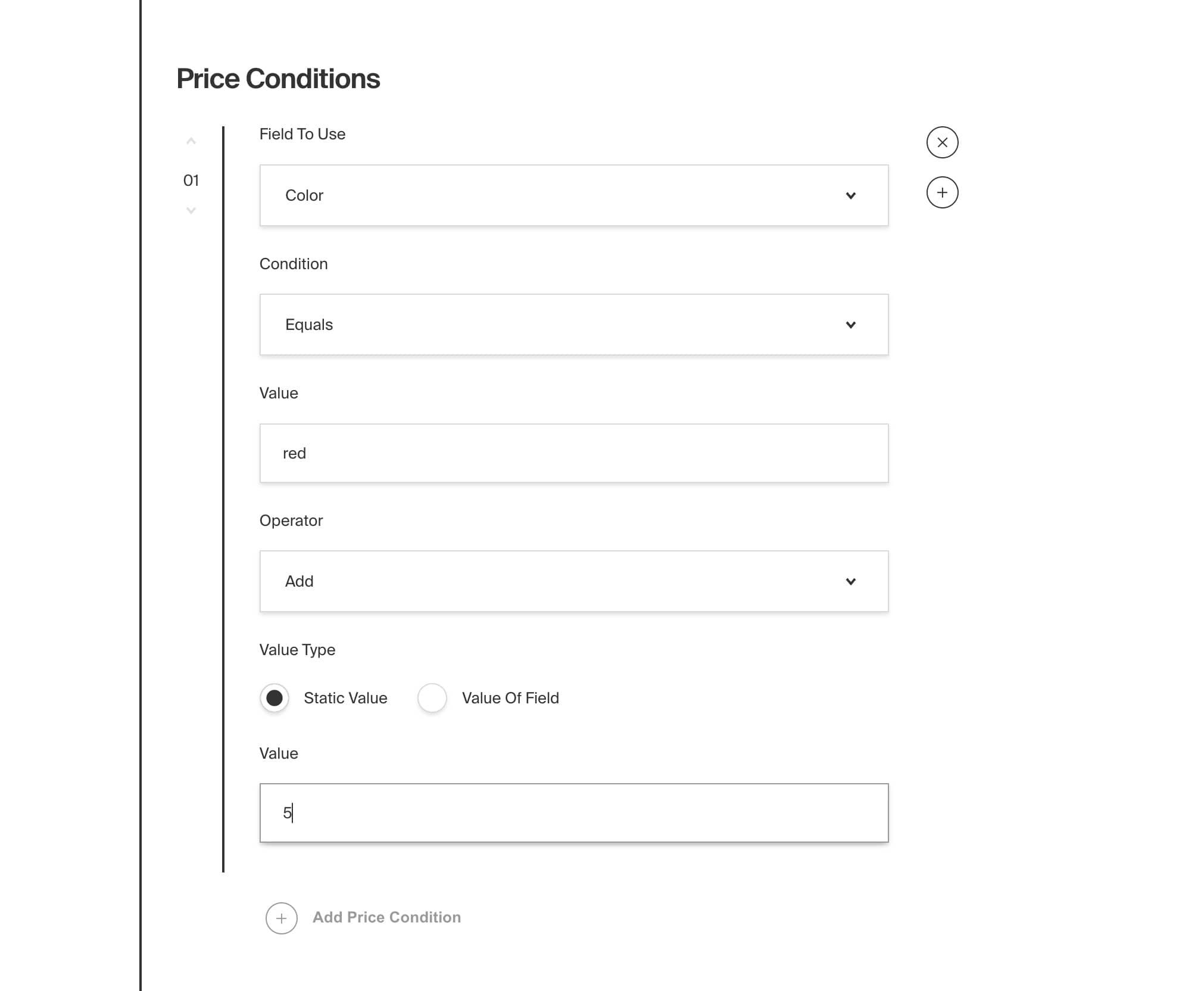
##### Price Conditions
|
|
|
|
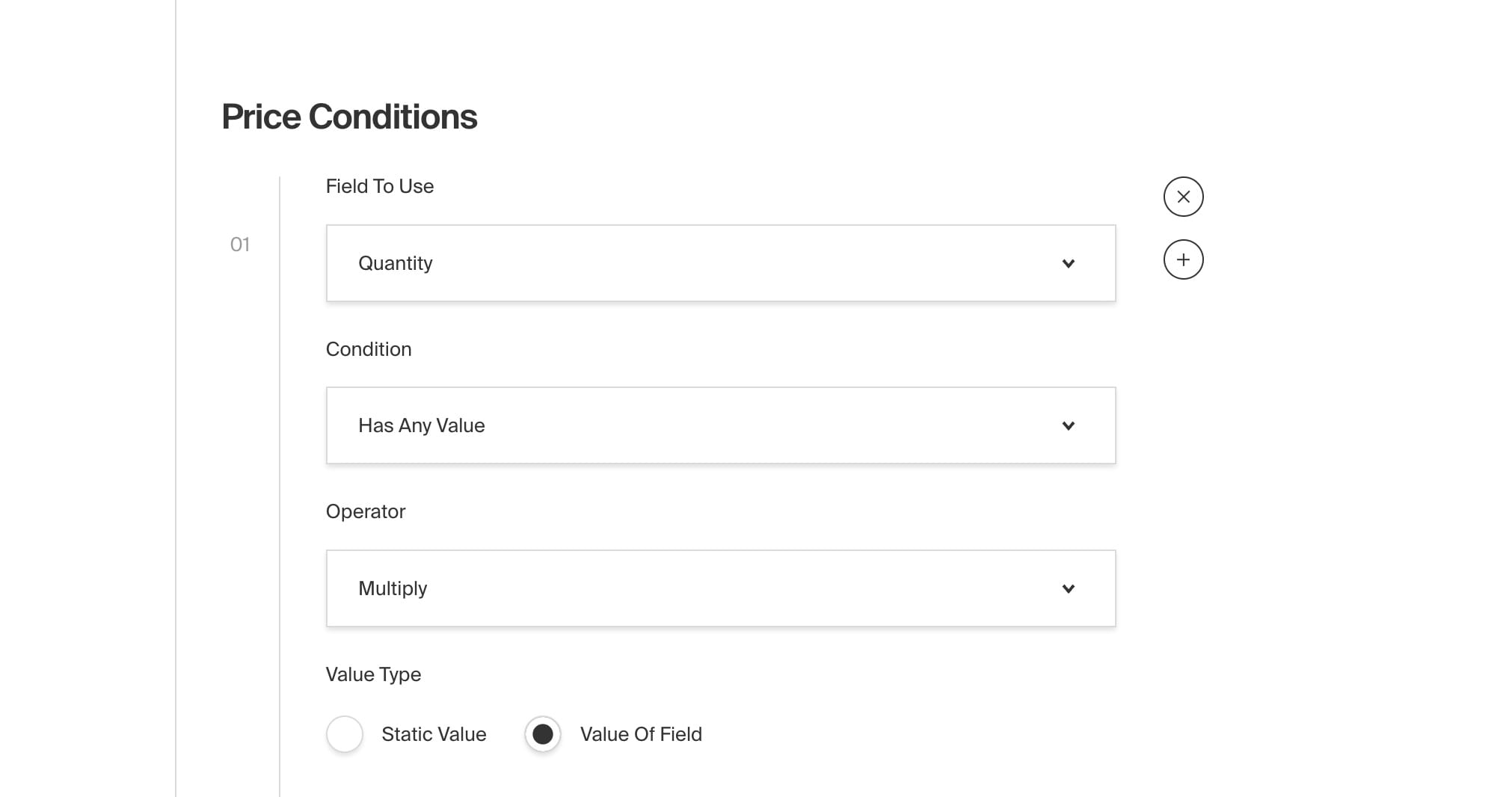
Each of the `priceConditions` are executed by the `getPaymentTotal` utility that this plugin provides. You can call this function in your `handlePayment` callback to dynamically calculate the total price of a form upon submission based on the user's input. For example, you could create a price condition that says "if the user selects 'yes' for this checkbox, add $10 to the total price".
|
|
|
|
| property | type | description |
|
|
| --- | --- | --- |
|
|
| `fieldToUse` | relationship | The field to use to determine the price. |
|
|
| `condition` | string | The condition to use to determine the price. |
|
|
| `valueForOperator` | string | The value to use for the operator. |
|
|
| `operator` | string | The operator to use to determine the price. |
|
|
| `valueType` | string | The type of value to use to determine the price. |
|
|
| `value` | string | The value to use to determine the price. |
|
|
|
|
#### Field Overrides
|
|
|
|
You can provide your own custom fields by passing a new [Payload Block](https://payloadcms.com/docs/fields/blocks#block-configs) object into `fields`. You can override or extend any existing fields by first importing the `fields` from the plugin:
|
|
|
|
```ts
|
|
import { fields } from '@payloadcms/plugin-form-builder'
|
|
```
|
|
|
|
Then merging it into your own custom field:
|
|
|
|
```ts
|
|
// payload.config.ts
|
|
formBuilder({
|
|
// ...
|
|
fields: {
|
|
text: {
|
|
...fields.text,
|
|
labels: {
|
|
singular: "Custom Text Field",
|
|
plural: "Custom Text Fields",
|
|
}
|
|
}
|
|
}
|
|
})
|
|
```
|
|
|
|
## Email
|
|
|
|
This plugin relies on the [email configuration](https://payloadcms.com/docs/email/overview) defined in your `payload.init()`. It will read from your config and attempt to send your emails using the credentials provided.
|
|
|
|
## TypeScript
|
|
|
|
All types can be directly imported:
|
|
|
|
```js
|
|
import {
|
|
PluginConfig,
|
|
Form,
|
|
FormSubmission,
|
|
FieldsConfig,
|
|
BeforePayment,
|
|
BeforeEmail,
|
|
HandlePayment,
|
|
...
|
|
} from "@payloadcms/plugin-form-builder/types";
|
|
```
|
|
|
|
## Examples
|
|
|
|
The [Examples Directory](https://github.com/payloadcms/payload/tree/main/examples) contains an official [Form Builder Plugin Example](https://github.com/payloadcms/payload/tree/main/examples/form-builder) which demonstrates exactly how to configure this plugin in Payload and implement it on your front-end. We've also included an in-depth walk-through of how to build a form from scratch in our [Form Builder Plugin Blog Post](https://payloadcms.com/blog/create-custom-forms-with-the-official-form-builder-plugin).
|
|
|
|
## Troubleshooting
|
|
|
|
Below are some common troubleshooting tips. To help other developers, please contribute to this section as you troubleshoot your own application.
|
|
|
|
##### SendGrid 403 Forbidden Error
|
|
|
|
- If you are using [SendGrid Link Branding](https://docs.sendgrid.com/ui/account-and-settings/how-to-set-up-link-branding) to remove the "via sendgrid.net" part of your email, you must also setup [Domain Authentication](https://docs.sendgrid.com/ui/account-and-settings/how-to-set-up-domain-authentication). This means you can only send emails from an address on this domain — so the `from` addresses in your form submission emails **_cannot_** be anything other than `something@your_domain.com`. This means that from `{{email}}` will not work, but `website@your_domain.com` will. You can still send the form's email address in the body of the email.
|
|
|
|
## Screenshots
|
|
|
|

|
|
<br />
|
|
|
|
<br />
|
|
|
|
<br />
|
|
|
|
<br />
|
|
|
|
<br />
|
|
|